
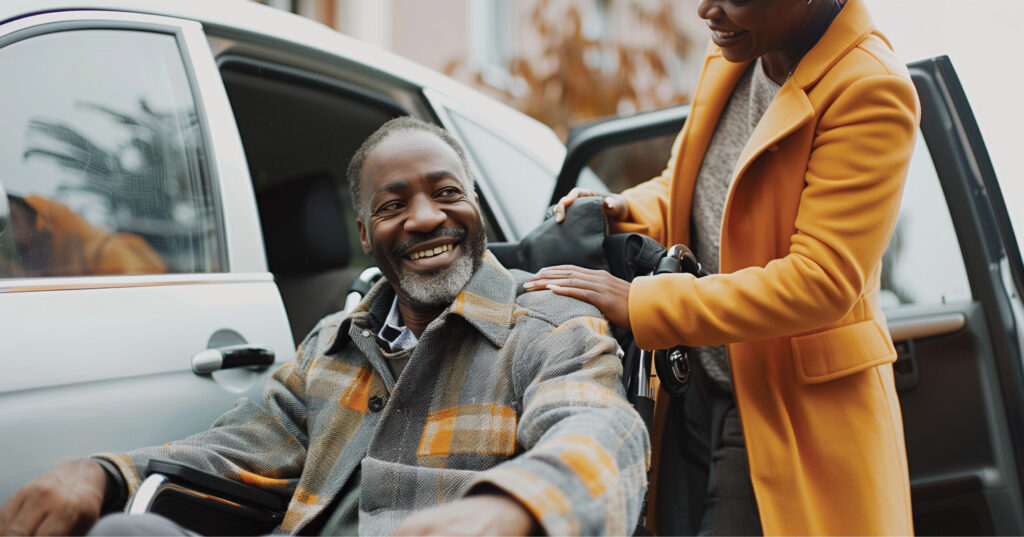
For many of us, getting to work, picking up groceries or attending a medical appointment is as simple as getting into a vehicle and driving there. But rural transportation accessibility is a challenge for residents who don’t drive or have reliable access to a vehicle.
What happens when getting behind the wheel isn’t an option?
In rural communities, where essential services may be located kilometres away, transportation barriers can significantly affect everyday life.
As Manitoba’s municipal election approaches on October 28, transportation is another issue worth considering, not simply as a way to get from one place to another, but as an important part of building an accessible and connected community.
RURAL TRANSPORTATION ACCESSIBILITY: WHEN GETTING THERE ISN’T EASY
Transportation affects almost every part of our lives. It determines whether we can get to work, attend a medical appointment, buy groceries, participate in recreation or simply visit friends and family.
For older adults who no longer drive, people with disabilities, households without a reliable vehicle and those facing financial challenges, a lack of transportation can limit independence and access to essential services.
The challenge can be particularly significant in rural communities.
A medical appointment may require travelling to another community. Employment opportunities may be outside walking distance. Specialized services may only be available in larger centres. Even services and activities within our own community can be difficult to access when someone doesn’t have a way to get there.
Transportation, in other words, can determine who gets to participate.
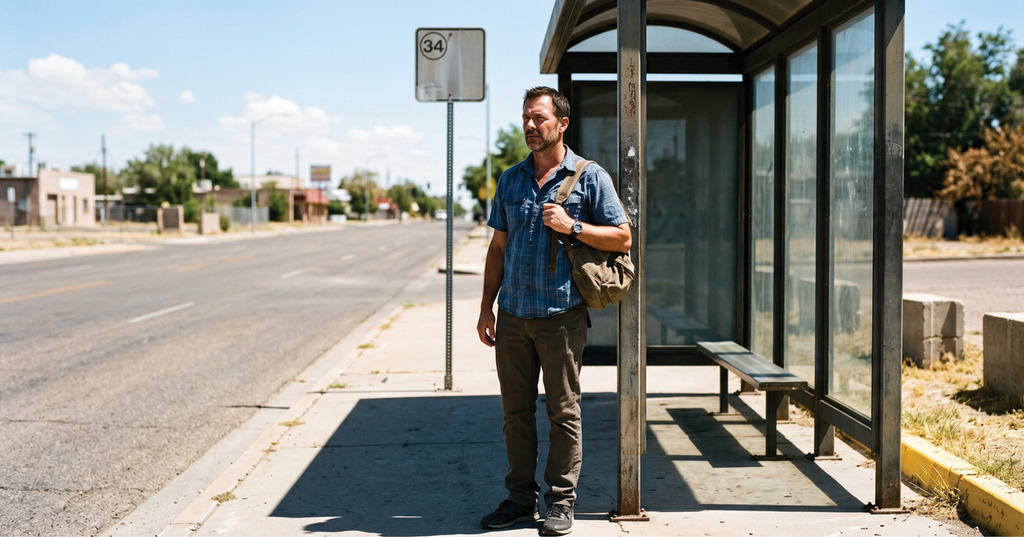
MORE THAN A RIDE
Accessible transportation is about more than getting from one place to another. It helps older adults maintain their independence, allows people to get to work and makes it easier to attend medical appointments, counselling and other services. It also gives families more opportunities to participate in recreation and community events.
Reliable transportation also helps reduce social isolation. Spending time with others, participating in activities and maintaining relationships are all important parts of wellbeing. Without transportation, people can become disconnected from their own community.
Community handi-vans and volunteer driver programs help fill these gaps by providing essential transportation services.
However, making sure everyone can get where they need to go means looking beyond existing services and exploring more ways to improve community mobility.
IMPROVING RURAL TRANSPORTATION ACCESSIBILITY
Transportation in a rural community looks very different from transportation in a large city. A traditional public transit system may not always be practical, but that doesn’t mean there aren’t opportunities to improve how people move around our communities and region.
Municipalities can play an important role by listening to residents, identifying gaps and working with neighbouring municipalities, community organizations, healthcare providers and other partners to explore solutions.
That might mean strengthening existing community transportation services, improving accessibility, considering pedestrian and cycling infrastructure, or looking for new ways to connect residents with services both within and outside the community.
There isn’t necessarily one model that will work for everyone.
The important question is whether people can reliably access the places and services they need to live healthy, connected lives.
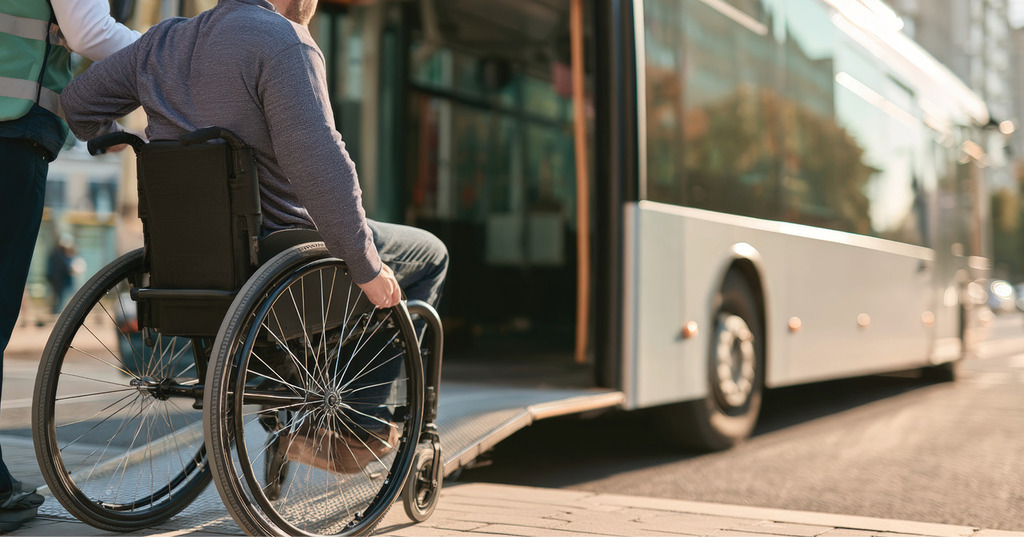
CONNECTING TRANSPORTATION TO THE BIGGER PICTURE
Rural transportation accessibility is one of the issues addressed by Carman Wellness Connections’ Transportation Working Group. The ability to get around is closely connected to many of the other challenges people experience.
Someone may find a job, but needs transportation to get there.
A family may qualify for a program, but have no way to attend.
A person may need specialized healthcare, but the appointment is in another community.
An older adult may want to participate in community activities, but no longer drive.
In each case, a service or opportunity technically exists. Transportation determines whether it is truly accessible.
That’s why improving community mobility requires collaboration. Municipalities, community organizations, healthcare providers, volunteers and residents all have perspectives and resources that can help identify what is needed and what might be possible.
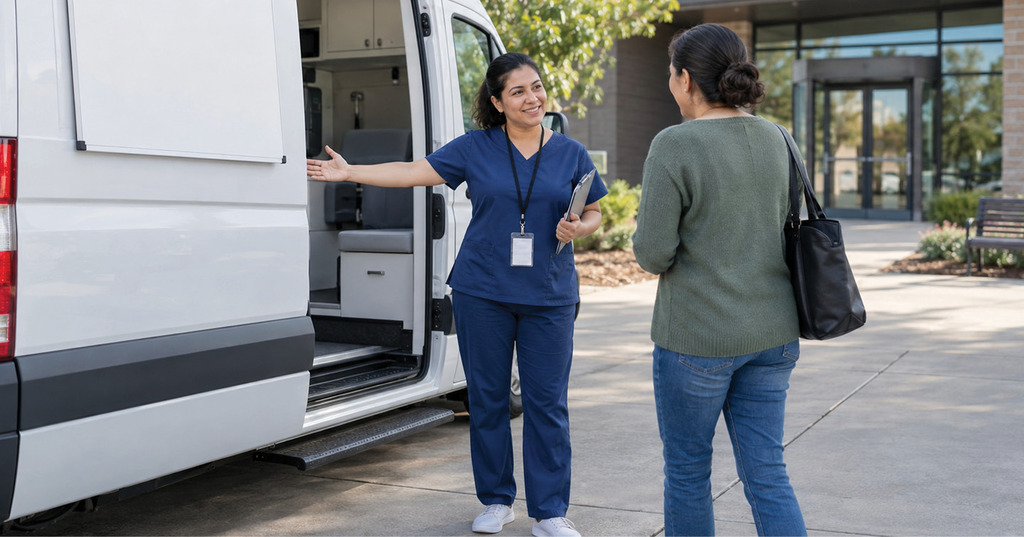
A QUESTION TO CONSIDER
As we approach the October 28 municipal election, CWC is encouraging residents to think about the conditions that allow everyone to participate fully in community life.
When it comes to transportation, we invite you to consider this question:
Accessible transportation connects people to jobs, healthcare, services and one another. How can our municipality work with community and regional partners to make transportation more reliable, accessible and affordable for residents who need it?
Transportation may look different in a rural community, but the need to stay connected is universal.
As you learn more about the candidates running in this year’s municipal election, consider asking how they view the municipality’s role in addressing transportation barriers, and what opportunities they see for working collaboratively to ensure more people can get where they need to go.