
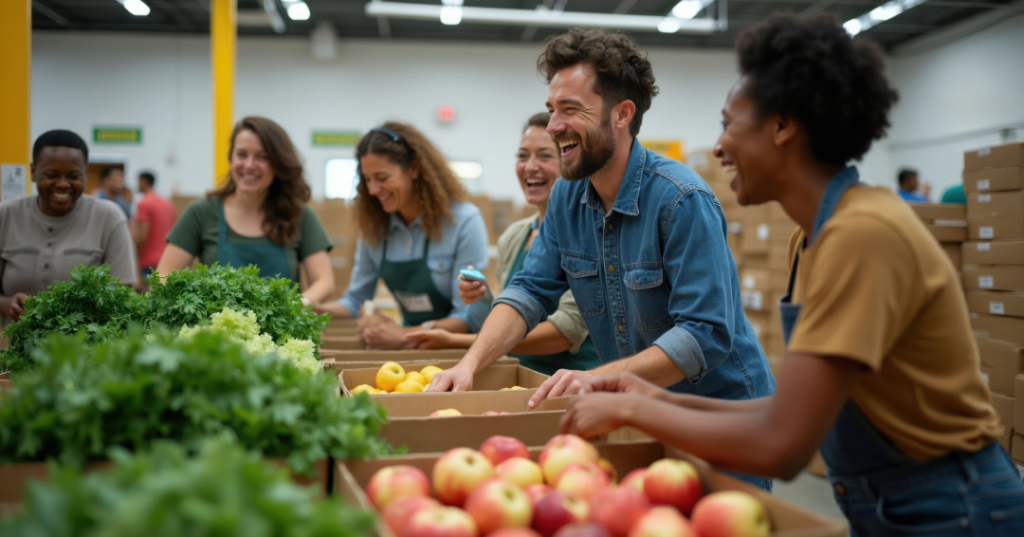
Everyone should be able to put nutritious food on the table.
Yet for households facing financial pressure, buying enough healthy food can compete with other necessities such as housing, utilities, transportation and medication. When there isn’t enough money to cover everything, groceries can become one of the few expenses that can be reduced.
Emergency food programs provide vital support when people need it. But addressing food insecurity also means looking beyond the immediate need and asking a bigger question: what would it take for everyone in our community to have reliable access to affordable, nutritious food?
FOOD SECURITY IS MORE THAN HAVING FOOD TODAY
Food security means having consistent access to enough safe, nutritious and appropriate food to live a healthy life. When that access isn’t reliable, the effects can reach into many areas of a person’s wellbeing.
Worrying about whether there will be enough food for the week creates stress. Families may have to compromise on the variety or quality of the food they purchase. Adults may reduce what they eat so their children have enough. Other household expenses may be delayed to make room in the budget for groceries.
Food insecurity is closely connected to income and affordability. That means there is no single program or initiative that can solve it.
Food banks and community food programs are an important part of the response, particularly when someone needs help now. At the same time, long-term food security requires us to look at the conditions that make it difficult for people to afford the food they need in the first place.
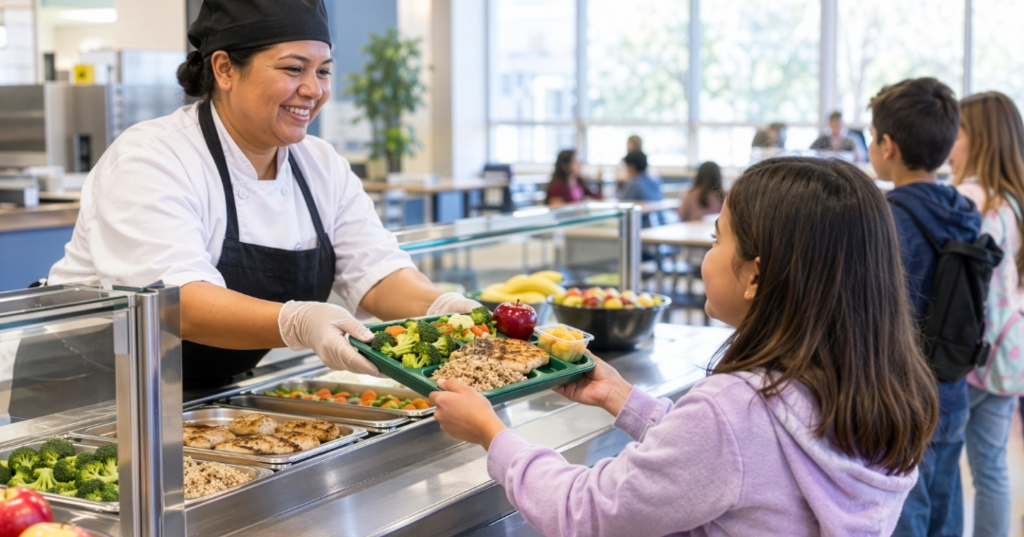
STRENGTHENING OUR LOCAL FOOD SYSTEM
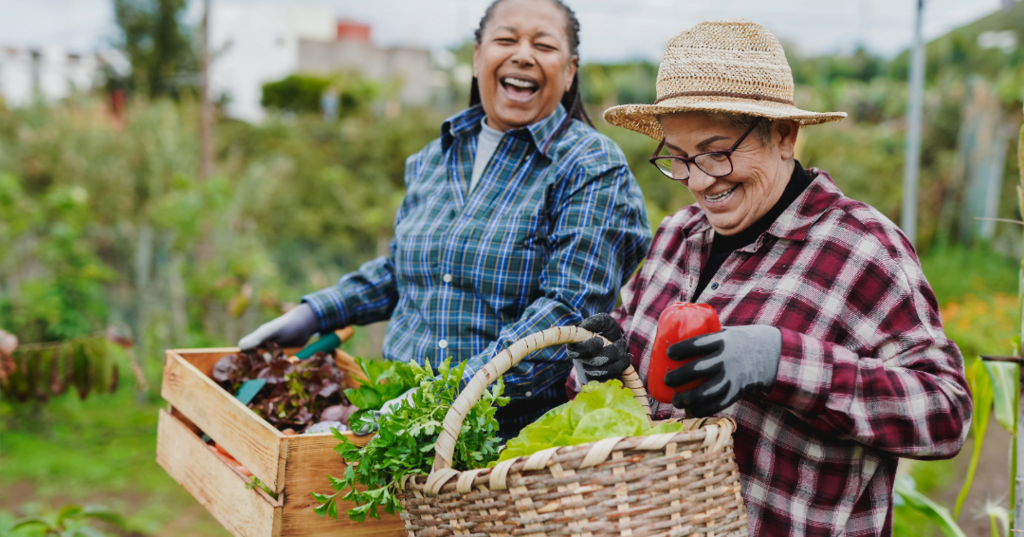
Rural communities have a unique relationship with food. We live surrounded by agriculture and have local producers growing and raising food close to home. That creates opportunities to think creatively about how locally produced food can also contribute to community food security.
Community gardens, produce-sharing initiatives, farmers’ markets, food-skills education and programs that help people purchase locally grown food can all be pieces of a stronger local food system.
These initiatives can do more than provide food. They can build skills, reduce isolation, connect neighbours and strengthen relationships between residents and local producers.
Municipalities can help create environments where these ideas can grow. That may include making community space available, supporting gardens and local food initiatives, considering food access in community planning, helping organizations connect with one another or partnering with groups already doing this work.
Local government cannot address food insecurity alone. But it can be an important partner in a much larger community response.
MOVING BEYOND A COMMUNITY RESPONSE
Food Security is one of Carman Wellness Connections’ six Working Groups, and an important part of that work is recognizing the difference between responding to an immediate need and addressing its underlying causes.
Both matter.
When someone doesn’t have enough food today, they need support today. Community food programs and food banks provide an essential safety net. But if we want fewer people to need emergency food assistance in the future, we also need to ask why households are struggling to afford food.
Housing costs matter. Transportation matters. Employment and income matter. Access to affordable recreation and other necessities matters.
These issues don’t exist separately.
A household spending more of its income on housing has less available for groceries. Someone without transportation may have fewer choices about where they shop or work. Financial pressures in one area can quickly create challenges somewhere else.
Building greater food security therefore requires collaboration – not only among organizations working directly with food, but across many sectors of our community.
BUILDING SOLUTIONS TOGETHER
There are already people throughout our region working to make food more accessible. Local producers, volunteers, community organizations, businesses and residents all have something to contribute. Municipal leadership can help bring those voices together, identify barriers and support opportunities for collaboration.
The goal isn’t simply to distribute more emergency food. It’s to build a community where fewer people reach the point of needing emergency food in the first place.
That is a much larger challenge, but it is also an important conversation to have.
A QUESTION TO CONSIDER
As we approach the October 28 municipal election, CWC is encouraging residents to think about how local decisions and community partnerships can contribute to long-term wellbeing.
When it comes to food security, we invite you to consider this question:
Everyone deserves reliable access to nutritious food. How can our municipality work alongside local producers, community organizations, businesses and residents to strengthen our local food system and help build long-term food security?
There won’t be one program, policy or organization that provides the entire solution. But there are opportunities to work together.
As you learn more about the candidates running in this year’s municipal election, consider asking how they see the municipality contributing to a stronger local food system, and how they would support partnerships that move our community beyond emergency food toward greater food security for everyone.