
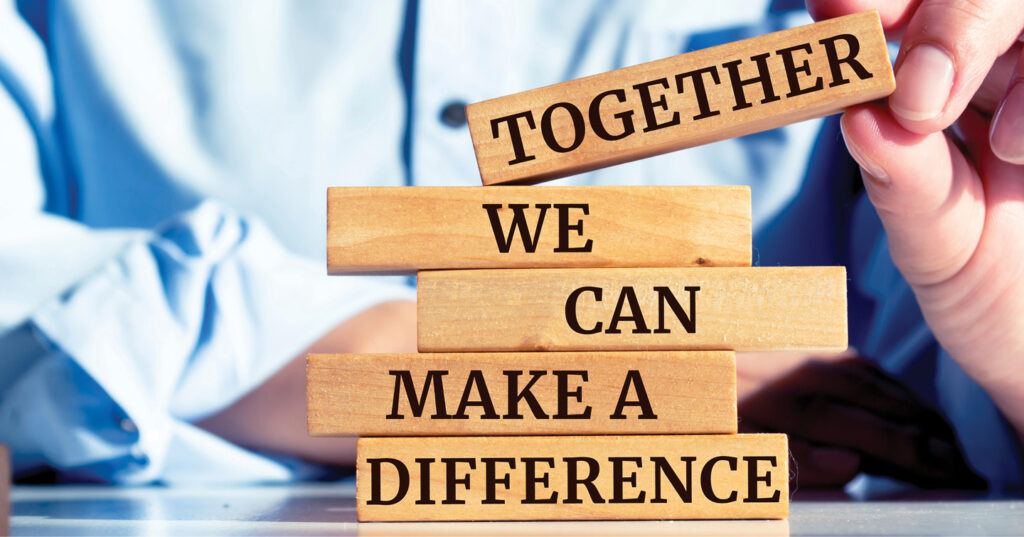
Building a community together starts with a simple question: What makes a community a good place to live??
There isn’t one answer.
It is having a safe and affordable place to call home. Being able to get where you need to go. Having enough nutritious food. Finding meaningful employment and opportunities to learn. Being able to participate in recreation and community life. Having access to support when your mental health is struggling.
Most importantly, it’s knowing you belong.
Throughout our election-year blog series, Carman Wellness Connections has explored several of the issues that contribute to a healthy, flourishing community. As we approach municipal and school trustee elections on October 28, we’re bringing those conversations together around an idea that is at the heart of CWC’s work:
Building a stronger community takes all of us.
THE ISSUES ARE CONNECTED
At CWC, our work is organized around six Working Groups: Food Security, Supporting Emotional Health, Education & Employment, Affordable Housing, Affordable Recreation & Leisure, and Transportation.
They represent different areas of focus, but they aren’t separate problems.
Imagine someone who has found a job but doesn’t have reliable transportation to get there.
A family may have affordable housing, but rising grocery costs leave little room in the household budget for their children to participate in recreation.
An older adult may have access to healthcare but no way to travel to an appointment outside the community.
A young person may be struggling with their mental health while their family is also dealing with financial pressures, food insecurity or unstable housing.
Challenges in one area of life can quickly affect another. That’s why addressing complex issues requires us to look beyond individual programs and consider the bigger picture.
NO ONE ORGANIZATION HAS ALL THE ANSWERS
Municipal councils have a role to play in building healthy communities. So do school boards. So do provincial and federal governments, healthcare providers, non-profit organizations, businesses, service clubs, faith communities, volunteers and residents. Each brings different responsibilities, resources, knowledge and perspectives.
The greatest opportunities can emerge when those groups work together.
Collaboration can mean sharing information so organizations aren’t duplicating efforts. It can mean identifying gaps in services and determining who is best positioned to respond, or bringing different voices to the table before decisions are made.
It also means listening to people with lived experience.
The people experiencing a barrier often understand it in ways that policies, statistics and reports cannot fully capture. Their perspectives can help communities understand not only what the problem looks like, but what kinds of solutions might actually make a difference.
LOOKING BEYOND THE NEXT FOUR YEARS
Elections naturally focus our attention on the next term of municipal councils and school boards. But building a flourishing community requires us to think further ahead.
What will our community need as our population changes?
Will people at different income levels and stages of life be able to find appropriate housing?
How will residents without vehicles get to appointments, work and essential services? How can we strengthen our local food system and make recreation and community activities more accessible?
We also need to consider how we can better support mental wellness and social connection. And how can schools, municipalities and community organizations work together to help children and families thrive?
These aren’t questions that can be answered during a single election campaign or solved during one term of office. But elections provide an important opportunity to ask them.
THE VALUE OF LOCAL LEADERSHIP
The decisions made close to home matter. Municipal councils make choices about planning, infrastructure, recreation, community development and many other areas that shape daily life. School trustees help establish priorities for the education system serving local children and families. Candidates will bring different experiences, perspectives and ideas to those roles.
As voters, we have an opportunity to learn about those perspectives.
That means looking beyond signs and names on a ballot. It means learning about the responsibilities of the positions being elected, finding out where candidates stand on issues that matter to us and asking thoughtful questions about their vision for the community.
It also means recognizing that no elected official will build the community we want on their own.
Leadership matters, but so does partnership.
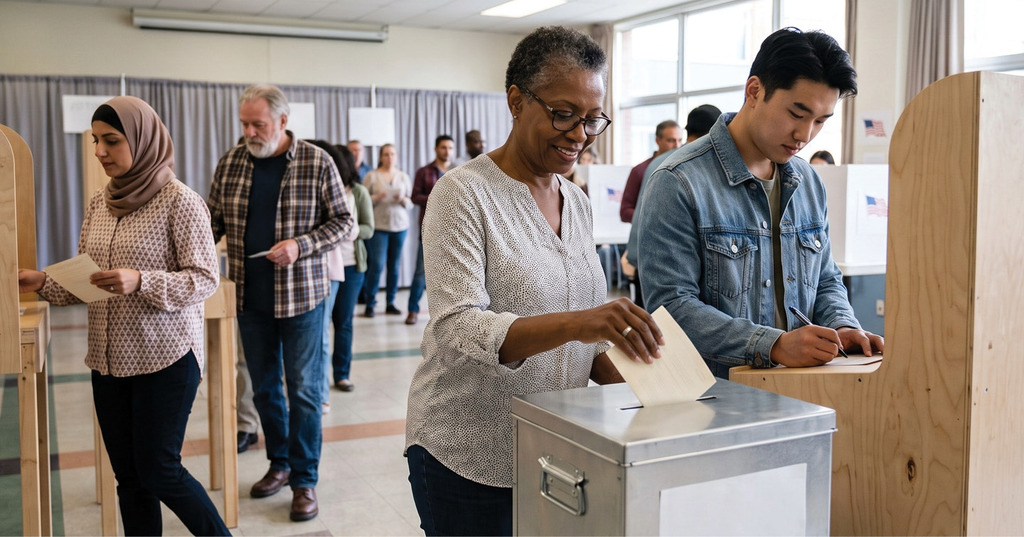
OUR ROLE DOESN’T END AT THE BALLOT BOX
Voting is an important way to participate in our community, but community engagement doesn’t begin or end on election day.
It happens when we volunteer, look out for our neighbours and support one another. It happens when organizations share resources and work together instead of working alone.
Community engagement also means listening to people with different experiences and perspectives. It means speaking up about challenges, sharing ideas and finding ways to make things better.
Most importantly, it means staying involved long after the ballots have been counted.
At Carman Wellness Connections, we believe meaningful, lasting change is built through relationships and collaboration. Our six Working Groups provide opportunities for people with different experiences and perspectives to come together around issues affecting our community.
You don’t need to be an expert to contribute.
Sometimes the most important thing you can bring to the table is your experience, your perspective and your willingness to help.
A QUESTION TO CONSIDER
As this election approaches, we invite our community to consider one final question:
How can municipal councils, school boards, non-profit organizations, businesses, healthcare providers, volunteers and residents work together to build a community where everyone has the opportunity to thrive?
There won’t be one answer. There shouldn’t be. A strong community is built from many voices, ideas and contributions.
On October 28, take the time to participate. Learn about the candidates seeking to represent your community. Ask questions. Consider the issues that matter to you and the people around you. Make an informed choice and cast your ballot.
Then, when the election is over, let’s keep the conversation, and the work, going.
Because building a community together takes more than an election. It takes all of us.